Description
Quaker parrot for sale
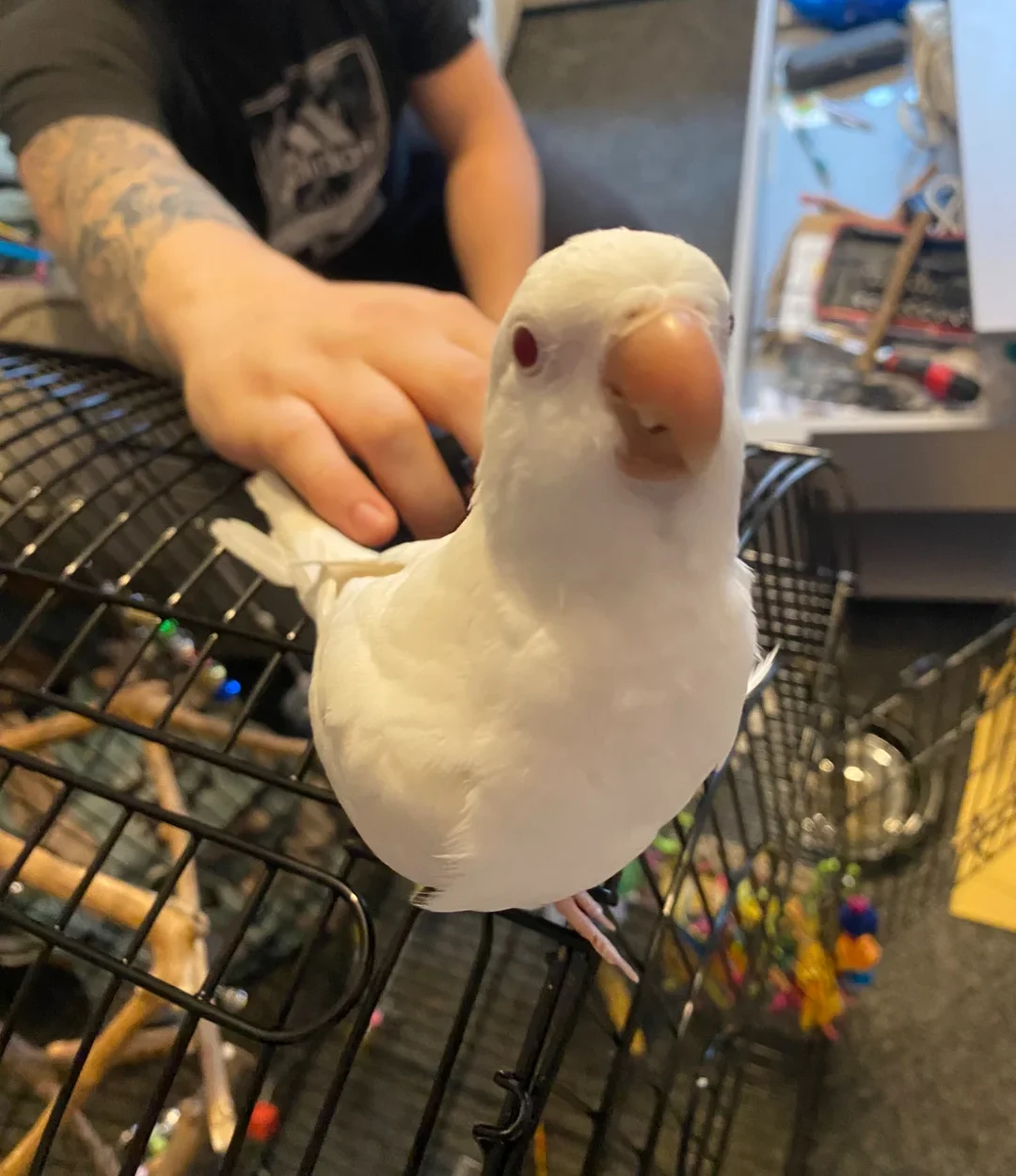
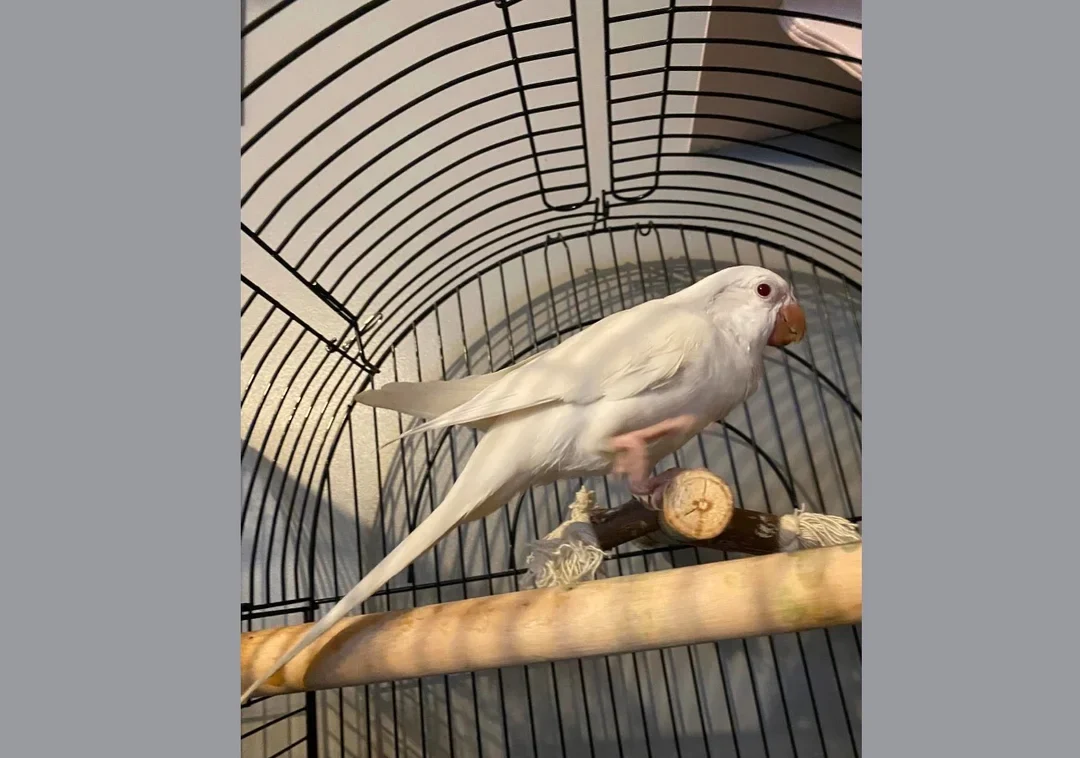
Quaker parrot for sale. The Quaker parrot is a beautiful, fun parrot that makes for a great household pet. Its inquisitive nature makes it an attractive choice for many. If given the attention it desires, a quaker can make for a very affectionate companion.
| Common name: | Quaker Parrot (Monk Parakeet) |
| Latin name: | Myiopsitta monachus |
| Length: | 29 cm (11.3 in) |
| Weight: | 127-140g (4.4-4.9 oz) |
| Life Span: | 25 years |
| Origin: | Subtropical regions in South America |
| Noise Level: | Variety of shrill screeches, squawks and chatter |
Quaker Parrot Housing
Hand raised Quakers have been raised by humans usually from 3 weeks old. Hence, making them accustomed to handling, cages and many noises that occur in everyday life. Also, A small-medium gauge wire cage with dimensions of at least 35”(W) x 20”(D) x 35”(H) will give your Quaker enough room to spread out and exercise without risk of injury from hitting the wire sides.
Open top cages with perching areas are ideal for hand raised birds as they provide more freedom and interaction with their family. At night the cage should be covered with a sheet or cage cover to prevent drafts and reduce visual stress.
Quaker Parrot Care
Quakers should be fed on a quality South American pellet and given daily fresh fruit and vegetables. This can include apple, carrot, beans, peas, corn, broccoli and spinach. Also, This food should not be left in the cage for too long as spoilt fruit can gather bacteria and yeasts that can make your bird ill. Make sure to remember to never feed your Quaker lettuce, avocado or apple seeds.
Quakers can also be offered small portions of seed such as a small parrot mix, but care should be taken to ensure this does not replace the birds pellet consumption. Also, Vitamin supplements such as Soluvite D or Multivet can be added to your Quakers water two or three times a week.
Calcium and Iodine can be provided through cuttlebone and iodine bells. More so, Fresh water should always be available and should be changed on a daily basis. Finally, Worming should be repeated every three months with a broad-spectrum bird wormer.
Quaker Parrot Feeding
Enrichment is all about enhancing the quality of life for your Quaker. This generally relates back to activities they would usually perform in the wild. Foraging plays a big part in enrichment for birds. To search for food is a natural instinct all birds possess. So it is the perfect way to exercise both their body and mind. Also, There is a vast range of foraging toys to suit all species of birds and keep them mentally stimulated for when you are not at home. It is a good idea to have several different types of foraging toys available, and to rotate them in the cage every couple of weeks.
Natural branches of varying lengths, shapes and thicknesses should also be provided. Also, There are many native branches that you could offer your Quaker such as eucalyptus, gum, grevillea, bottle brush and lilly pilly, many of which have natural nuts and flowers that providing a foraging opportunity for your Quaker. Finally, This also allows your Quaker to properly exercise their feet and beak as they can chew and strip the bark perches.
Reviews
There are no reviews yet.